Why input from several specialties, not just one
Pediatrics alone covers 4-5 sub-specialties relevant to your baby. Lactation needs IBCLC certification. Sleep medicine is its own subspecialty. OB-GYN matters for pregnancy and postpartum. We didn't want one generalist; we wanted depth across the full parenting timeline, with input from practicing clinicians in each area.
Parents tracking this in real life consistently report that timing matters more than perfect execution. Clinical guidance points in the same direction — your baby may be on the early or late end of the normal range, and that's genuinely fine.
Pediatrics
Practicing pediatricians inform our coverage of general pediatrics, developmental pediatrics, pediatric sleep medicine, and adolescent transition. Guidance is checked against AAP and CDC standards.
Pediatric research over the last decade has clarified this picture significantly. Studies cited by the AAP and CDC describe a normal distribution with wider tails than older guidance suggested, which means more variation is healthy variation. Worry intensifies when patterns deviate sharply or persist beyond the documented windows.
Obstetrics & maternal health
Practicing OB-GYNs inform our pregnancy week-by-week guidance, high-risk pregnancy coverage, postpartum recovery, and reproductive health. Guidance is checked against ACOG and NHS standards.
Practically: if you're reading this at 3am and anxious, the most reliable signals are duration, severity, and trajectory. A pattern that's resolving within the expected window is almost always developmental, not pathological. Log what you're seeing — a clear pattern over 3-5 days gives your pediatrician far more useful information than a panicked phone call.
Lactation
IBCLC-certified consultants inform our coverage of breastfeeding, pumping, weaning, supply troubleshooting, and infant nutrition through age 2.
When the Wermom medical advisor team reviews these patterns, the question they ask first is whether the trend is improving, plateauing, or worsening. Improving = wait. Plateauing or worsening past the expected window = call. This trajectory framing reduces both unnecessary visits and dangerous delays.
Infant & pediatric sleep
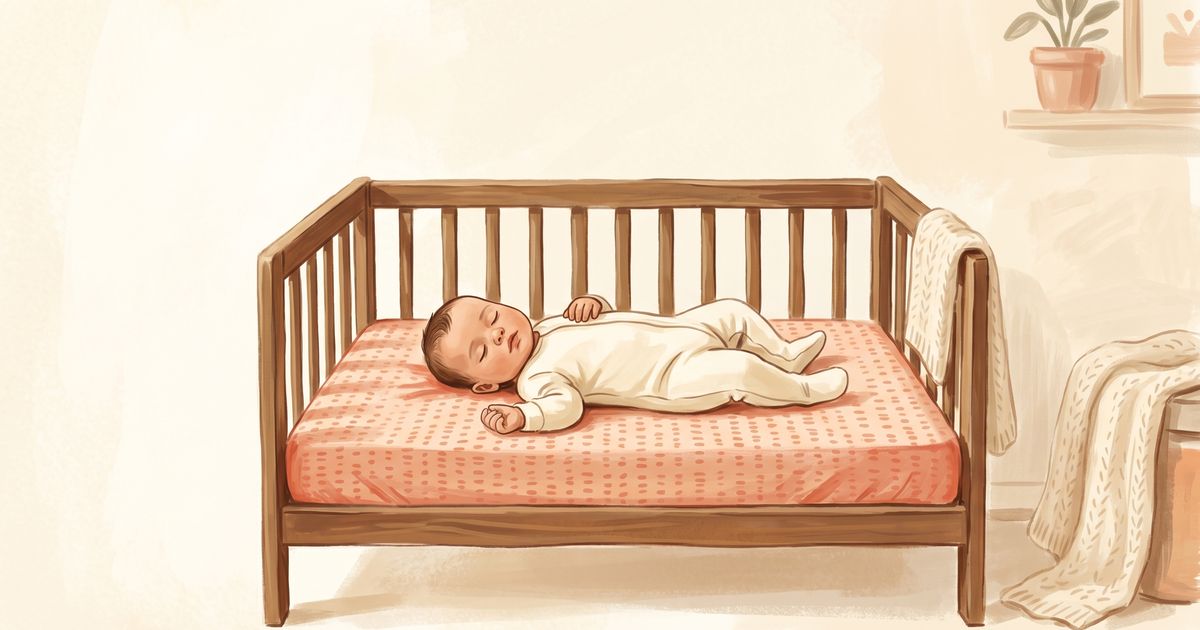
Practicing pediatric sleep specialists inform every sleep-related recommendation in the app, checked against AAP safe-sleep guidance.
One detail that surprises many parents: individual variation within 'normal' is much wider than the parenting internet suggests. Two healthy babies in the same nursery can hit the same milestone 6 weeks apart, and both are entirely on track. The viral content optimizes for engagement, not accuracy.
Wermom's editorial position on this is simple: cite the evidence, acknowledge the variation, and trust parents to make informed decisions. Where the research is uncertain, we say so. Where Wermom's user data adds context, we share it. This is the framework you'll find applied across our entire content library — see research from the Wermom team for the broader approach.